

About Solex
At Solex Energy Limited, we are dedicated to leading the renewable energy sector by harnessing the power of solar to build a greener world. Specializing in sustainable, cost-effective solutions for residential, commercial, and industrial clients, we combine innovation with advanced technologies to drive global zero-carbon development. As a trusted partner in clean energy, we are committed to paving the way for a sustainable future.
Years of Experience
the World
PV Modules Manufacturing Capacity
+2.5 GW Under Development
Our Products
Tapi RC
N-Type TOPcon Technology
635 – 665 W
Product Warranty: 12 Years
Linear Performance Warranty: 30 Years
Module Efficiency: 24.6%
132 Half cut (11×6 || 11×6)
Tapi R
N-Type TOPCon Technology
595 – 625 W
Product Warranty: 12 Years
Linear Performance Warranty: 30 Years
Module Efficiency: 23.14%
132 Half Cut Cell
N-Type Dual Glass Module
570 – 595 W
Product Warranty: 12 Years
Linear Performance Warranty: 30 Years
Module Efficiency: 23.03%
144 Half Cut Cell
Monocrystalline / Bi-Facial
530 – 560 W
Product Warranty: 12 Years
Linear Performance Warranty: 30 Years
Module Efficiency: 21.68%
144 Half Cut Cell
All Black Monocrystalline / Bi-Facial Monocrystalline
400- 420 W
Product Warranty: 12 Years
Linear Performance Warranty: 30 Years
Module Efficiency: 21.50%
108 Half Cut Cell
Our Expertise
At Solex Energy, we lead the solar industry with a perfect blend of technological innovation, precision manufacturing, and comprehensive EPC (Engineering, Procurement, and Construction) services. From residential rooftops to large-scale industrial projects, we deliver customized, scalable, and efficient solar solutions that meet the growing global demand for renewable energy.
Solar Technology Innovation
Driven by innovation, we develop advanced solar technologies like Mono PERC and Bifacial modules to ensure maximum energy efficiency and performance across diverse applications.
Quality Manufacturing
Our state-of-the-art manufacturing processes meet the highest international standards, ensuring reliable, durable, and high-performance solar panels.
EPC Management
We offer end-to-end EPC services, ensuring seamless project execution from concept to delivery with engineering precision and on-time completion.
Customization & Scalability
Our flexible, customer-centric approach delivers tailored solar solutions, scalable for projects of any size, from residential installations to industrial solar farms.
Our Team
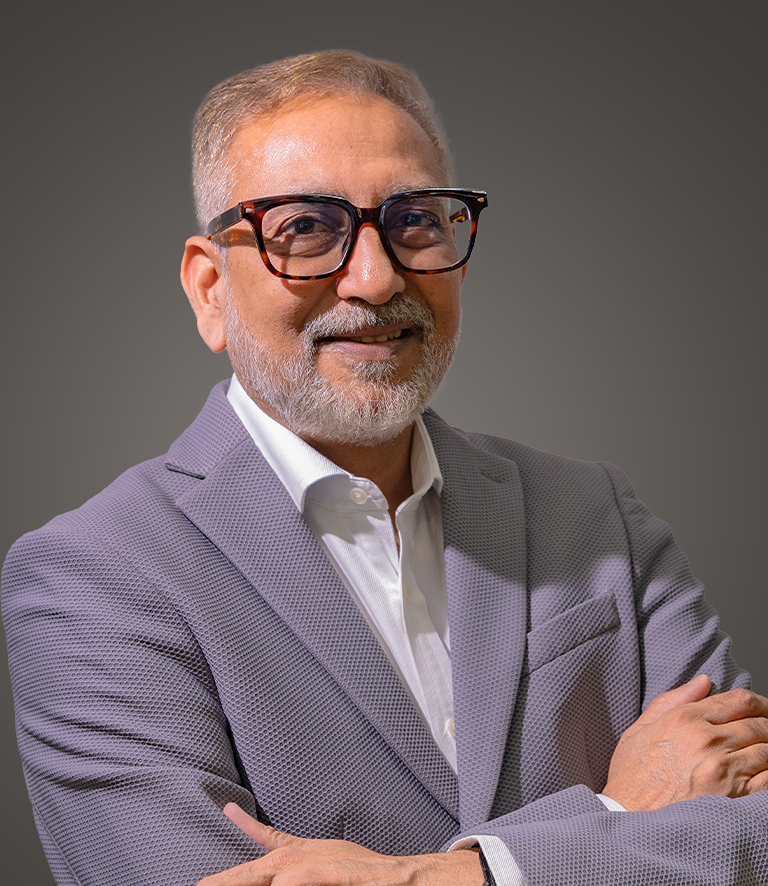
Dr. Chetan Shah
Chairman & Managing Director, Solex Energy Limited

Vikash Anand
Head - Sales & BD
Kalpesh Patel
Whole Time Director
- Extensive Solar Industry Experience with over 25+ years of dedicated experience in the solar industry.
- Successfully transitioned Sun Energy Systems into Solex Energy Limited, listed on the NSE Emerge platform in 2018.
- Renowned for his ability to navigate complex industry challenges, positioning Solex as a market leader in the solar

Piyush Chandak
Whole Time Director
- Youngest Director MBA from Auro University, Surat and BBA from Christ University, Bangalore
- Aim to build a multi-pronged business empire through a professional approach.
- Experienced in textile processing, telecom, and now driving strategic decisions for Solex

Anil Rathi
Non-Executive Director
- Brings 28+ years of diverse industry experience including textiles, steel, and recycling.
- Renowned leader with entrepreneurial ventures in garmenting, textile dyeing, steel recycling, and more.
- Influential leader in the industry, recognised for his ability to drive business success through innovation, efficiency, and strong interpersonal skills.
CA. Vipul Shah
Non-Executive Director
- Chartered Accountant with over 20+ years of experience in tax advisory and project finance.
- Extensive expertise in Tax Advisory, Project Finance Advisory, and Management Advisory.
- Active member of various social, educational, and charitable
Pravin Dankhara
Director, Solex Green Energy Pvt. Ltd
- A seasoned entrepreneur with over 30+ years of experience, successfully building and scaling businesses in the renewable energy sector.
- A visionary leader committed to advancing India’s energy transition by promoting cutting-edge solar technologies for sustainable solutions.
- Instrumental in positioning Solex as a leader in the EPC space, driving strategic partnerships and technological
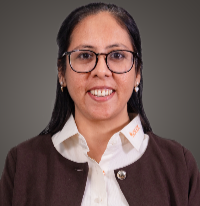
Kiran Shah
Executive Director
- 25+ years of hands-on experience in Accounts & Treasury management.
- Manages financial reporting, tax preparation, audit assistance, and liaisons with banks and financial institutions.
- Proficient in financial statement analysis, regulatory reporting, and general ledger accounting.
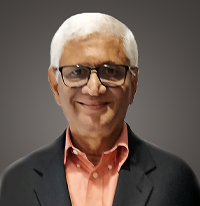
Er. Amit Trivedi
Independent Director
- With 27+ years of experience in electrical marketing, he has worked with leading companies like Jyoti Ltd., Power Build , and Crompton Greaves Ltd.
- He has held key leadership roles, including Branch Manager, Project Manager, and Chief Project Manager, showcasing his expertise in team and project management.
- His diverse skill set includes business development, market expansion, budgeting, tender management, project execution, and energy conservation solutions.
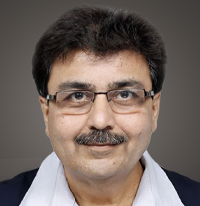
Jayesh Gajjar
Independent Director
- A Bachelor of Technology graduate from IIT Delhi, he has built a distinguished career in corporate leadership, specializing in the oil and energy sectors.
- As the former Senior Vice Chairman at Reliance Group, he played a pivotal role in shaping corporate strategies and fostering industry collaborations.
- His expertise spans strategic planning, business growth, and leadership, driving innovation and excellence in the energy
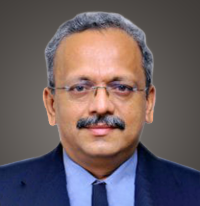
Kamlesh Yagnik
Independent Director
- Boasting 36+ years of unparalleled experience in Climate Change, Energy, and Resilience Management, Yagnik is a thought leader in sustainability and technology.
- Holds an M.Tech. from IIT Mumbai, complemented by advanced certifications from Tokyo (AOTS) and Singapore, making him an authority in Urban Adaptation and
- Served as President of SGCCI in 2013-14, demonstrating his strategic insight and leadership prowess in industry circles.
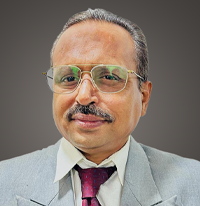
CA. Rajesh Patel
Independent Director
- A qualified Chartered Accountant with 14+ years of expertise in tax advisory, project finance, and management consulting.
- Specializes in GST audits, assurance functions, and strategic financial planning for businesses across industries.
- Committed to a client-first approach, providing tailored advisory services that drive growth and financial
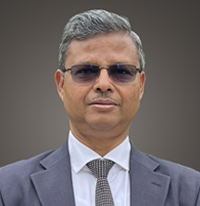
Sanjay Srivastava
(Former IPS)
Independent Director
- A distinguished former IPS officer with extensive experience in law enforcement, public safety, and strategic policing.
- Holds a Bachelor’s degree in Electrical Engineering, bringing a unique blend of technical knowledge and administrative expertise to his service.
- As the former Commissioner of Police, Ahmedabad, he played a pivotal role in maintaining law and order, implementing key reforms, and enhancing public security
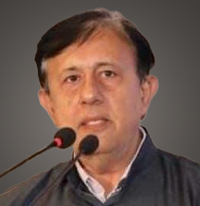
Er. Sanjay Punjabi
Independent Director
- A distinguished leader with expertise in civil engineering, architecture, and interior design.
- Serves as the Group Chairman of The Southern Gujarat Chamber of Commerce and Industry, driving business and industry growth.
- Backed by a strong educational foundation in Civil Engineering, he brings extensive experience and innovation to the field.

Azmin Chiniwala
CS & Compliance Officer
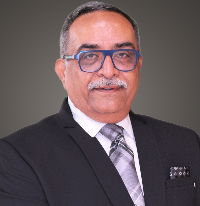
Brijesh Khanna
Head - Operations

CA. Hemal Kachiwala
Chief Financial Officer
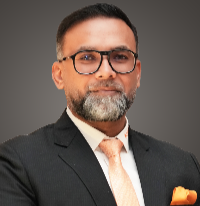
Rajat Gupta
Head - Marketing & Communications
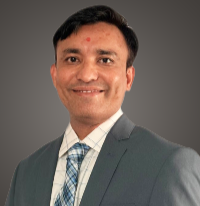
Rajesh Varia
Head - Supply Chain & Purchase
Vikash Anand
Head - Sales & BD
Kalpesh Patel
Whole Time Director
- Extensive Solar Industry Experience with over 25+ years of dedicated experience in the solar industry.
- Successfully transitioned Sun Energy Systems into Solex Energy Limited, listed on the NSE Emerge platform in 2018.
- Renowned for his ability to navigate complex industry challenges, positioning Solex as a market leader in the solar
Esteemed Customers

































Our Endeavour
Powering Progress, Preserving Heritage
PM Shri Narendra Modi’s vision for Tribal India is to empower tribal communities with education, healthcare, and livelihoods while preserving their rich heritage, ensuring their holistic participation in a modern, developed nation.
At Solex Energy, we are turning this vision into action.
By training tribal youth, equipping them with employable skills, and welcoming them into our workforce, we are not just creating jobs—we are creating futures.
This journey brings honor, respect, financial independence, and exposure to the modern world, helping them expand their horizons while staying rooted in their values.
From energy that powers homes to opportunities that empower people—this is the Solex Energy Saga

![For industrial operations, energy cost is not just an expense — it’s a long-term business variable. Levelized Cost of Energy (LCOE) determines the true cost per unit over a solar plant’s lifetime. It is influenced by system design, equipment efficiency, financing structure, plant performance, and maintenance strategy.
Understanding these drivers helps businesses reduce operating costs, improve predictability, and maximize return on energy investments.
Smarter energy decisions begin with understanding LCOE.
Connect with Solex to evaluate your energy economics.
[Solex Energy, Renewable Energy, Solar Power, Solar Energy, Trending, Green Future, Future Energy, Clean Energy, Solar India, AI Manufacturing, Future of Energy ]](https://scontent-sin11-2.cdninstagram.com/v/t39.30808-6/651233954_1583127320485222_4355244388240353275_n.jpg?stp=dst-jpg_e35_tt6&_nc_cat=101&ccb=7-5&_nc_sid=18de74&efg=eyJlZmdfdGFnIjoiRkVFRC5iZXN0X2ltYWdlX3VybGdlbi5DMyJ9&_nc_ohc=13Twr-YYMa8Q7kNvwErcDXR&_nc_oc=AdpivTZ91k7D1Ov_gt_lMyNsWb2ePTGylXwtke2JGfs_eIH8idB6SxhPHRSIaUVoz54&_nc_zt=23&_nc_ht=scontent-sin11-2.cdninstagram.com&edm=ANo9K5cEAAAA&_nc_gid=4q3cbly3lrg2o0RK4bDUTQ&_nc_tpa=Q5bMBQFUFdhSkqHBpMlqD6No0_jSgfmMfW5rTblRQIkK9RNOiE4dNAvGv9C29GzkYlJcca-7MRgitd9Mtg&oh=00_AfyzeJMyrImIU8-UKEY9V5GyyoL-C4hbPBCOkgmD-JEVaw&oe=69C275E8)
![Solar installations require minimal maintenance, and long-term agreements can provide predictable returns, while contributing to a greener India.
Turn space into impact.
Let’s evaluate your land potential.
[Solex Energy, Renewable Energy, Solar Power, Solar Energy, Trending, Green Future, Future Energy, Clean Energy, Solar India, AI Manufacturing, Future of Energy ]](https://scontent-sin6-1.cdninstagram.com/v/t39.30808-6/651200949_1581391020658852_970338186958817496_n.jpg?stp=dst-jpg_e35_tt6&_nc_cat=111&ccb=7-5&_nc_sid=18de74&efg=eyJlZmdfdGFnIjoiRkVFRC5iZXN0X2ltYWdlX3VybGdlbi5DMyJ9&_nc_ohc=iYp6dyVWxKsQ7kNvwELBUXl&_nc_oc=AdrICt0ZuPrCmwC_B7Fhm4Tz8zk5SDZ_g4bqACiZKhlmnktwr81mYuGmLPcyJESJvHA&_nc_zt=23&_nc_ht=scontent-sin6-1.cdninstagram.com&edm=ANo9K5cEAAAA&_nc_gid=4q3cbly3lrg2o0RK4bDUTQ&_nc_tpa=Q5bMBQFjQ5HJQmII6c0ZFn1ZSgi3moq-73OzsDundl2P-IKO4gEyiZff8QDzAWXE_JIqDAabSMff9ktZhg&oh=00_Afw3il6s2MgmHck3kExeBv_K93JUTLDcYdNyTAArt_HCyw&oe=69C264B3)
![Throwing it back to a week dedicated to what matters most: safety.
From insightful sessions and hands-on demonstrations to awareness drives and team participation, our National Safety Week reinforced the importance of vigilance, responsibility and a safety-first culture across our workplace.
Here’s to carrying these learnings forward, every single day.
[Solex, Renewable Energy, Safety Week]](https://scontent-sin2-1.cdninstagram.com/v/t51.82787-15/651908171_18147006058467493_6247248902223803352_n.jpg?stp=dst-jpg_e35_tt6&_nc_cat=102&ccb=7-5&_nc_sid=18de74&efg=eyJlZmdfdGFnIjoiQ0xJUFMuYmVzdF9pbWFnZV91cmxnZW4uQzMifQ%3D%3D&_nc_ohc=-ldBaKfaSRUQ7kNvwE3991z&_nc_oc=Adqd3i9ArvE07ONCZq9nJyrXK5bStoH0hcqtDc_JmQ0nfNifxm05LV-UHvDOUx2FxWo&_nc_zt=23&_nc_ht=scontent-sin2-1.cdninstagram.com&edm=ANo9K5cEAAAA&_nc_gid=4q3cbly3lrg2o0RK4bDUTQ&_nc_tpa=Q5bMBQGTVRN3Hv60VuUSZWcMXIHO2soKZ0lZe5qXjiWxhM8fwC1Xgg1vcUIySUkCYDjP7BzeR_6ebAmZIw&oh=00_AfwgoXVvZh3b-Syz-4aVelxGuVS9_l1EpwLzwBPqhcFehg&oe=69C25D47)
![AOI is making solar panels more precise, reliable, and efficient — from defect detection to smarter production.
Because the future of clean energy is intelligent.
[Solex Energy, Renewable Energy, Solar Power, Solar Energy, Trending, Green Future, Future Energy, Clean Energy, Solar India, AI Manufacturing, Future of Energy ]](https://scontent-sin2-2.cdninstagram.com/v/t39.30808-6/650002377_1575028724628415_2674301319385984220_n.jpg?stp=dst-jpg_e35_tt6&_nc_cat=103&ccb=7-5&_nc_sid=18de74&efg=eyJlZmdfdGFnIjoiQ0FST1VTRUxfSVRFTS5iZXN0X2ltYWdlX3VybGdlbi5DMyJ9&_nc_ohc=20-8PeuQQtcQ7kNvwFWu9kF&_nc_oc=AdoG7t-D0yUQzN5Wp1qKlNzWq2v9YbQBxywp_IHO3ffAj9Be937aClTabUZ92Sk-mPA&_nc_zt=23&_nc_ht=scontent-sin2-2.cdninstagram.com&edm=ANo9K5cEAAAA&_nc_gid=4q3cbly3lrg2o0RK4bDUTQ&_nc_tpa=Q5bMBQE-9AHhr-jcCpR6Eja4_pdH7UagefvkO73kZFe_7pcWhpVTVmHA9ESlVTX8vGrHTSWZ8wHlsw8XaA&oh=00_AfxD9M3ZxGXI5nDmHynpwYZvr-HeH8vMAXPNJDLR7sH3hQ&oe=69C268C6)
![Our Chairman & Managing Director, Dr. Chetan Shah, shares his perspective on Solex Energy’s recent ALMM approval for 3.78 GW manufacturing capacity and what it means for India’s growing solar manufacturing ecosystem.
Read more in his conversation with ThePrint.
[Solex Energy, Renewable Energy, Solar Power, Solar Energy, Trending, Green Future, Future Energy, Clean Energy, Solar India ]](https://solex.in/wp-content/plugins/instagram-feed/img/placeholder.png)